Short-form videos have become one of the most popular forms of digital entertainment. Platforms such as Instagram Reels, YouTube Shorts, and TikTok allow users to watch hundreds of short videos covering entertainment, education, fashion, food, travel, fitness, and everyday lifestyle topics.
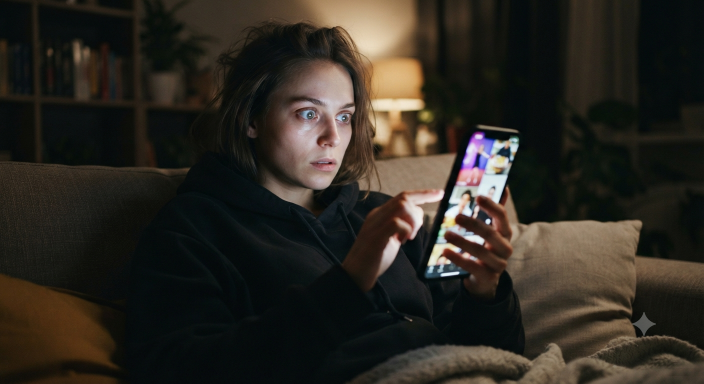
What makes these videos so interesting is how easily people can move from one clip to another. Someone might open a social media application to watch a single video and suddenly realise that an hour has passed.
This behaviour is not simply about enjoying entertaining content. Short-form videos are designed around several psychological principles that encourage continued viewing. Understanding these factors can help explain why people find them so engaging and how they influence everyday habits.
1. The Attraction of Instant Entertainment
One of the biggest reasons short-form videos attract attention is that they provide entertainment almost immediately.
Unlike television programmes or long videos, short clips usually deliver their main message within a few seconds.
Users do not need to spend much time understanding the content before deciding whether they want to continue watching.
For example, a cooking video might show a complete recipe in less than a minute, while a travel clip can introduce a beautiful destination through a few quick scenes.
This instant access to information and entertainment makes short-form content particularly appealing during small breaks throughout the day.
2. The Role of Dopamine and Reward Systems
The brain’s reward system plays an important role in how people respond to entertaining content.
Dopamine is a neurotransmitter involved in motivation, learning, and reward-related behaviour.
When users discover something interesting, funny, surprising, or enjoyable, reward-related brain processes can reinforce the behaviour that led to that experience.
Short-form video platforms provide a continuous stream of different content. Users never know exactly what the next video will show.
This element of unpredictability can encourage repeated checking and continued scrolling.
However, it is important to understand that dopamine is not simply a chemical responsible for addiction. It is involved in several normal brain functions, including motivation and learning.
3. Endless Scrolling Makes It Difficult to Stop
One of the most recognisable features of short-form video platforms is endless scrolling.
Traditional television programmes usually have clear beginnings and endings. Short-form video feeds, however, continue automatically as users swipe from one clip to another.
There is no natural stopping point after every few videos.
As a result, people may continue watching without consciously deciding to spend more time online.
When combined with personalised recommendations, endless scrolling can make social media sessions longer than originally intended.
Setting a specific viewing limit can help users become more aware of their screen time.
4. Personalised Content Keeps Users Interested
Social media platforms use recommendation algorithms to understand what users enjoy watching.
These systems may consider factors such as viewing duration, likes, shares, comments, and previous interactions.
If someone regularly watches fitness videos, the platform may recommend workout routines, healthy recipes, exercise challenges, and fitness-related entertainment.
Similarly, someone interested in travel may receive destination guides, hotel reviews, and travel inspiration.
Personalised recommendations make the viewing experience feel relevant because users are more likely to encounter content matching their interests.
However, highly personalised feeds can also narrow the variety of information users see.
5. Short Videos Match Modern Attention Habits
Modern digital environments provide constant access to information, entertainment, and communication.
People frequently switch between emails, messages, websites, videos, and applications.
Short-form content fits easily into this fast-moving environment because it requires relatively little time and attention.
Users can watch a quick comedy clip while waiting for transportation or learn a simple cooking technique during a short break.
However, repeatedly switching between short pieces of content may make it harder for some people to remain focused on longer activities.
Reading books, studying, or completing detailed work may feel less immediately stimulating in comparison.
6. Emotional Content Creates Strong Engagement
Short videos often use humour, emotional storytelling, surprising facts, or relatable situations to attract attention.
A funny video can create an immediate positive reaction, while an emotional story may encourage viewers to share their experiences in the comments.
Content that creates curiosity is also effective.
For example, a video beginning with an unusual question or an unexpected situation may encourage viewers to watch until the end.
These emotional responses can make short videos memorable and encourage people to return for similar content.
7. Social Validation Encourages Repeated Viewing
Likes, comments, shares, and follower counts are important parts of social media culture.
Content creators often receive immediate feedback from viewers, which can encourage them to continue producing similar videos.
Viewers also participate by commenting, sharing clips with friends, and following creators whose content they enjoy.
This sense of social connection can make short-form video platforms more engaging.
However, constantly comparing personal popularity, appearance, or lifestyle with online creators may negatively affect self-esteem for some users.
8. How Excessive Short-Video Watching Can Affect Daily Life
Although short-form videos can be entertaining and informative, excessive consumption may create certain challenges.
Some possible effects include:
- Reduced productivity due to frequent distractions.
- Delayed bedtime and disrupted sleep routines.
- Difficulty concentrating on longer tasks.
- Less time for physical activity.
- Increased exposure to unrealistic lifestyle comparisons.
- Spending more time online than originally planned.
9. How to Enjoy Short Videos Without Overdoing Them
Developing healthier viewing habits does not mean completely avoiding short-form entertainment.
Instead, users can make a few practical changes.
Set daily screen-time limits, turn off unnecessary notifications, and avoid opening video applications automatically whenever there is free time.
Following educational and informative creators can also make social media consumption more useful.
Taking regular breaks, spending time outdoors, and maintaining offline hobbies can help create a better balance.