Have you ever noticed that stomach discomfort can affect your mood, concentration, or energy levels? The digestive system does much more than break down food and absorb nutrients. It also communicates with the brain, supports immune function, and plays an important role in maintaining overall health.
Gut health has become an increasingly popular topic because researchers are discovering more about the relationship between the digestive system and different aspects of physical and mental well-being. From maintaining regular digestion to supporting emotional balance, a healthy gut contributes to several important body functions.
1. Understanding What Gut Health Really Means
Gut health refers to the proper functioning of the digestive system, particularly the stomach and intestines. An important part of this system is the gut microbiome, which consists of trillions of microorganisms, including bacteria, fungi, and other microbes.
Many of these microorganisms support digestion, help process certain nutrients, and contribute to the body’s natural defence mechanisms.
A balanced gut microbiome helps maintain normal digestive functions. However, factors such as poor dietary habits, stress, lack of sleep, infections, and certain medications can influence the composition of gut microorganisms.
Common signs of digestive problems include bloating, constipation, diarrhoea, abdominal discomfort, and changes in bowel habits.
2. The Connection Between Gut Health and Mood
One of the most interesting aspects of gut health is its relationship with emotional well-being.
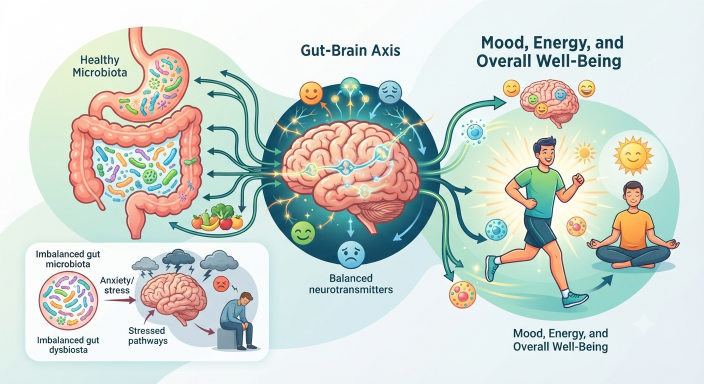
The digestive system and brain communicate through a network known as the gut-brain axis. This communication involves nerves, hormones, immune signals, and chemical messengers.
The vagus nerve is an important part of this connection because it carries information between the digestive system and the brain.
Gut microorganisms also influence the production and processing of certain substances involved in brain signalling. For example, much of the body’s serotonin is produced in the gastrointestinal tract, although gut-produced serotonin does not simply travel into the brain.
Researchers are studying how these interactions may influence stress responses, mood, and emotional health.
However, gut health is only one factor affecting mental well-being. It should not be considered a replacement for appropriate treatment of anxiety, depression, or other mental health conditions.
3. How Your Gut Influences Energy Levels
The digestive system plays a direct role in providing the body with energy.
Food is broken down into nutrients that the body uses for everyday activities, tissue repair, and essential biological functions.
When digestion and nutrient absorption are affected, people may experience discomfort and changes in their energy levels.
The gut microbiome also helps break down certain dietary fibres, producing short-chain fatty acids that support intestinal health and other metabolic processes.
A balanced diet containing whole grains, vegetables, fruits, legumes, and adequate protein supports healthy digestion and provides essential nutrients.
Persistent tiredness should not automatically be blamed on gut problems. Conditions such as anaemia, thyroid disorders, nutritional deficiencies, and sleep disturbances can also contribute to low energy.
4. The Role of Gut Health in Immune Function
The digestive system is closely connected to the immune system.
The intestinal lining acts as a protective barrier that helps prevent harmful substances and microorganisms from entering the bloodstream.
Beneficial gut microorganisms support this barrier and interact with immune cells. They help the body maintain an appropriate immune response while supporting protection against harmful pathogens.
An unhealthy gut environment may affect these processes, although the relationship between gut microbiome changes and immune-related conditions is complex.
Eating a variety of plant-based foods and maintaining good dietary habits can support a diverse gut microbiome.
5. Foods That Support a Healthy Gut
Diet plays an important role in maintaining digestive health. Different foods provide nutrients and compounds that support beneficial gut microorganisms.
Some useful options include:
- Yogurt: Contains live cultures when labelled appropriately and can support digestive health.
- Bananas: Provide dietary fibre and contain compounds that gut bacteria can use.
- Oats: Offer soluble fibre that supports normal digestion.
- Vegetables: Provide different types of fibre and essential nutrients.
- Lentils and beans: Contain fibre that supports beneficial intestinal bacteria.
- Fermented foods: Options such as kefir, kimchi, and certain fermented vegetables provide microorganisms or fermentation products.
Increasing fibre intake gradually is important because a sudden increase may cause bloating or gas.
6. Lifestyle Habits That Improve Gut Health
Healthy digestion depends on more than food choices.
Some practical habits include:
Stay hydrated: Drinking enough water supports normal digestion and helps prevent constipation.
Exercise regularly: Physical activity supports bowel movement and overall metabolic health.
Manage stress: Relaxation techniques, meditation, and regular breaks may help reduce the effects of stress on digestion.
Get sufficient sleep: Consistent sleep patterns support several processes involved in digestive and metabolic health.
Avoid unnecessary antibiotics: Antibiotics can affect beneficial gut bacteria. They should only be used when medically appropriate and prescribed by a healthcare professional.
7. Common Signs That Your Gut May Need Attention
Frequent bloating, persistent abdominal pain, constipation, diarrhoea, and unexplained changes in bowel habits may indicate digestive problems.
Occasional digestive discomfort is common, but persistent symptoms should not be ignored.
Blood in the stool, unexplained weight loss, severe abdominal pain, or ongoing vomiting require prompt medical evaluation.
A healthcare professional can help identify whether symptoms are related to food intolerance, infection, inflammatory conditions, or other digestive disorders.